
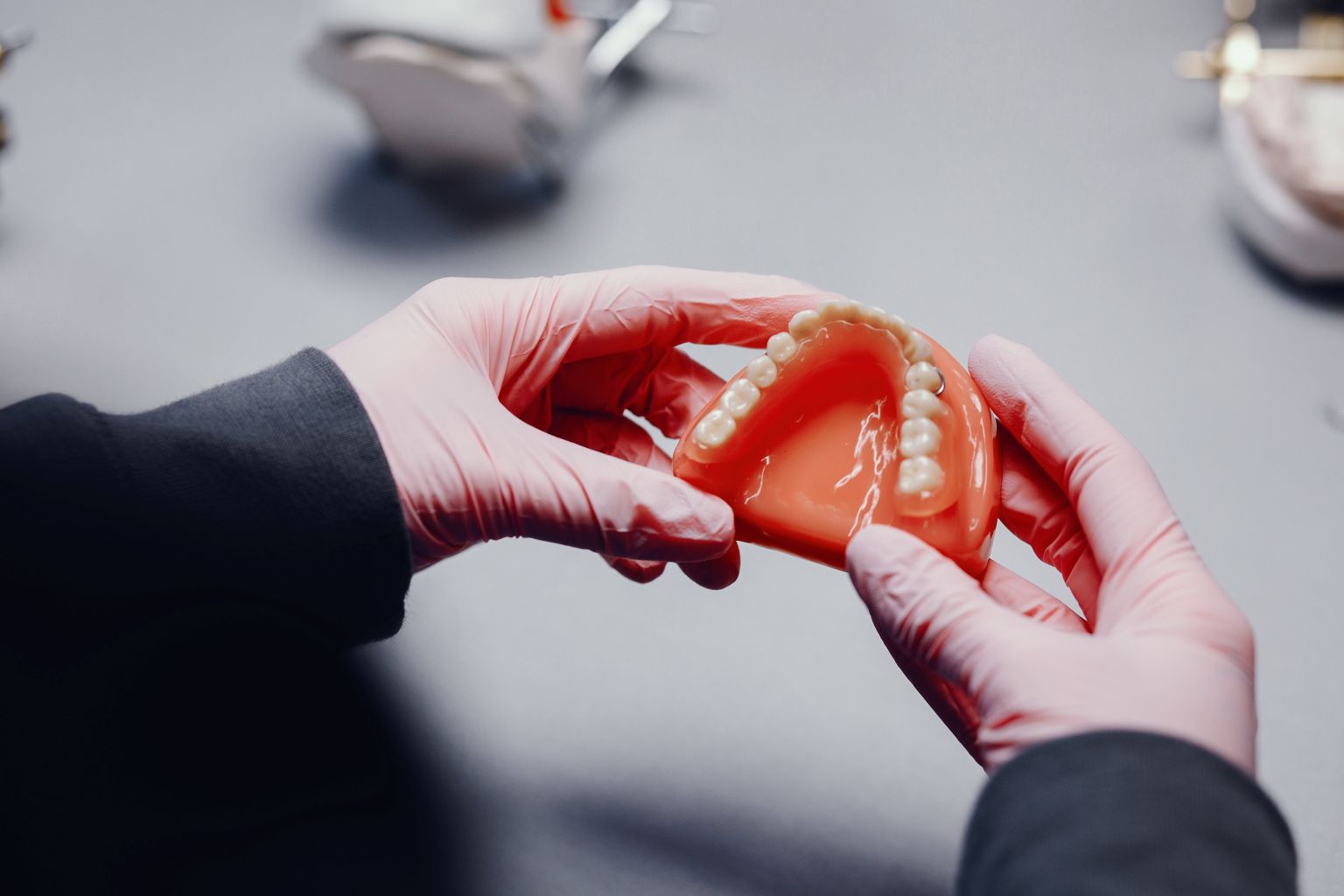
Missing teeth and having trouble eating, talking, or smiling? The good news is that today’s dentures are comfortable and look very natural. If you are looking for dentures near you, learning about the different types can help you feel confident in your choice. Dentures are different for everyone, and the right one depends on how many teeth are missing and what feels best for you.
This guide explains the three main types of dentures in simple words to help you choose what works best for your smile and everyday life.
Why Choosing the Right Dentures Matters
Dentures do more than replace missing teeth. The right choice can:
- Improve chewing and digestion.
- Support clear speech
- Help maintain facial shape.
- Boost confidence in social situations.
Choosing carefully also reduces sore spots, slipping, and daily discomfort. That is why learning about denture options for missing teeth is an important first step.
What Are Full Dentures?
Full dentures are used when all the teeth in the top jaw, bottom jaw, or both are missing. They sit on the gums and replace a full set of teeth.
Key Features of Full Dentures
- Replace all missing teeth in one jaw.
- Made to fit your mouth
- Help bring back your smile and face shape.
Pros
- Lower cost option when all teeth are missing
- Improves how your smile looks
- No surgery needed
Cons
- May feel loose at first
- Takes some time to get used to eating and talking
Full dentures are usually chosen when natural teeth cannot be saved and need to be replaced completely.
What Are Partial Dentures?
Partial dentures are ideal if you still have some healthy natural teeth. They fill the gaps left by missing teeth and attach to nearby teeth for support.
Key Features of Partial Dentures
- Replace one or several missing teeth.
- Blend with existing natural teeth.
- Removable and easy to clean
Pros
- Preserve remaining teeth
- Less bulky than full dentures
- Help prevent nearby teeth from shifting.
Cons
- Clasps may be slightly visible.
- Need proper care to protect natural teeth.
For many people, partial dentures offer a balanced solution when tooth loss is limited.
What Are Implant-Supported Dentures?
Implant-supported dentures are anchored to dental implants placed in the jawbone. This option offers the highest level of stability and comfort.
Key Features of Implant-Supported Dentures
- Secured with implants
- Less movement while eating or talking
- Feel more like natural teeth.
Pros
- Strong and stable fit
- Better chewing power
- Help maintain jawbone health.
Cons
- Higher cost
- Requires a longer treatment timeline
This option is often chosen by people who want a more secure and long-lasting solution.
Comparing Denture Types at a Glance
Here is an easy way to compare your options:
- Full dentures: Good if all teeth are missing. They are removable and cost less.
- Partial dentures: Best if you still have some natural teeth. They fill the gaps.
- Implant-supported dentures: Very stable and comfortable. They cost more but last longer.
The best choice depends on your needs and how you live every day.
How Comfort and Fit Affect Daily Life
Comfort plays a big role in how satisfied you feel with dentures. A good fit can help you:
- Eat a wider range of foods.
- Speak clearly without worry.
- Avoid sore gums and irritation.
This is where a denture selection guide for comfort and fit becomes helpful. Proper measurements, adjustments, and follow-ups all contribute to a better experience.
How to Decide Which Dentures Are Right for You
Choosing dentures is not just about how they look. Think about these simple things:
- How many teeth are missing
- The health of your gums and jaw
- Your budget and how soon you want treatment
- How you eat and speak every day
Talking with a dentist near you can help you choose the denture that fits you best.
Tips for Adjusting to New Dentures
It is normal to need time to adapt. Helpful tips include:
- Start with soft foods.
- Practice speaking aloud
- Follow cleaning instructions daily.
- Attend follow-up visits for adjustments.
With patience and proper care, most people adjust within a few weeks.
Caring for Your Dentures Long-Term
Good care helps dentures last longer and stay comfortable:
- Clean dentures daily with a soft brush
- Remove them at night if advised.
- Store them in water when not in use.
- Keep regular dental checkups.
Healthy gums and proper maintenance are key to long-term success.
Restore Comfort, Function, and Confidence – Visit Today!
Looking for the right dentures to smile with confidence again? Knowing your choices makes it easier and less stressful. Book a visit today at Garden City Dental Centre, and let their friendly team help you choose dentures that feel comfortable, look natural, and fit your daily life.
📍 Find Us on Google Map
FAQs
How do I know which denture type I need?
The choice depends on how many teeth are missing, your comfort needs, and your long-term goals. A dental exam helps determine the best option.
Do dentures look natural?
Yes. Modern dentures are designed to match natural tooth colour and shape, making them look very realistic.
Are dentures hard to get used to?
Most people adjust within a few weeks. Minor discomfort at first is normal and improves with time.
Can I eat normally with dentures?
Yes. Once adjusted, you can enjoy most foods, especially with properly fitted dentures.