
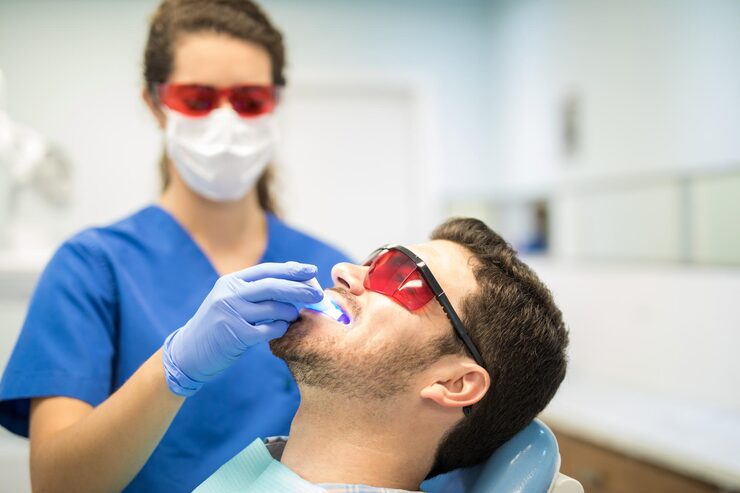
After professional whitening, follow the aftercare instructions for the method used, and avoid foods and drinks with strong pigments. If you are considering teeth whitening in Winnipeg, natural teeth may be temporarily more susceptible to staining, and sensitivity can occur for a short time. The exact aftercare period varies by product and individual response.
Coffee, tea, tobacco, berries, and dark sauces may contribute to new stains, but strict food restrictions are not necessary for everyone. A practical plan can help protect comfort and maintain the result without making avoidable changes to your diet or routine. Small changes can help during early recovery.
Which Foods and Drinks Should You Avoid After Whitening?
For a short period after treatment, your teeth may be more susceptible to surface staining. The avoidance period depends on the whitening system and the instructions provided. Commonly pigmented foods and drinks to be mindful of include:
- Coffee and black tea
- Red wine and dark-coloured juices
- Berries with strong pigments
- Tomato-based sauces, soy sauce, and balsamic vinegar
- Dark curries and richly coloured seasonings
- Foods or drinks that cause discomfort if your teeth are sensitive
This does not mean you need to follow a strict or restrictive diet. Follow the aftercare instructions provided for your whitening method, and return to a balanced range of foods as advised.
How Long Should You Avoid Coffee, Tea, and Dark Drinks?
There is no universal number of hours or days. Some whitening instructions recommend avoiding strong pigments for a limited time, but the right duration varies by product and individual circumstances. Follow the written guidance supplied after your appointment rather than relying on a general timetable.
If you are unsure whether a particular drink is suitable, water is a simple option while you follow your aftercare directions. Once you resume coffee or tea, rinsing with water afterward may help clear residue, although it does not prevent every stain.
Can Smoking or Tobacco Affect Whitening Results?
Yes. Tobacco products can stain natural teeth and may make it harder to maintain a lighter shade. Smoking also affects gum health and overall oral health. Avoiding tobacco supports more than your teeth’s appearance, and it can help reduce a common source of discoloration.
What Can You Eat and Drink After Treatment?
Choose foods that are comfortable to chew and are not strongly pigmented while you follow the instructions for your whitening method. Examples may include:
- Water and other drinks recommended in your aftercare instructions
- Plain rice, pasta, or potatoes
- Light-coloured vegetables
- Eggs, chicken, or other foods that are easy to chew
- Yogurt or other mild foods that do not trigger sensitivity
These are examples, not a required menu. You do not need to avoid nutritious foods simply because of their color. If a food causes discomfort, choose something more comfortable and follow the advice provided at your appointment.
How Can You Reduce Sensitivity and Maintain Your Results?
Temporary sensitivity can occur after whitening. Keep brushing gently with fluoride toothpaste and avoid overusing whitening products. If sensitivity is severe, persistent, localized to one tooth, or accompanied by swelling or other symptoms, contact a dental professional for assessment.
A dentist in Winnipeg can review the likely cause of sensitivity and discuss suitable next steps. Results vary with the original tooth shade, stain type, habits, and method used. Touch-ups may be discussed later, but over-whitening can increase sensitivity and should not be done without professional guidance.
How should you choose a whitening appointment?
Professional teeth whitening near you should begin with an assessment of oral health, stain type, and sensitivity so the approach matches your circumstances. The method, expected change, and aftercare should be explained before treatment begins.
What Should You Do If Sensitivity Continues?
Mild sensitivity after whitening usually goes away on its own. However, severe or persistent pain may be caused by a cavity, a cracked tooth, an exposed root, or a gum problem. Contact a dental professional if the discomfort does not improve or makes eating and drinking difficult.
Avoid whitening your teeth again to fix uneven colour or reduce sensitivity. More whitening may increase irritation. A dental checkup can help find the cause and determine the right next step.
Follow your whitening aftercare instructions and use only products recommended by your dental professional. If the pain is severe, affects a single tooth, or is accompanied by swelling or gum irritation, seek a dental assessment.
Protect Your Results With Practical Aftercare
Following the right aftercare steps can help you maintain your whitening results and reduce the chance of sensitivity. If you have questions about which foods to avoid, how to manage discomfort, or how to keep your teeth looking bright, Garden City Dental can help. Contact our team to discuss your concerns and schedule an appointment for personalized advice on caring for your smile after professional whitening.
FAQs
How long should I avoid coffee after professional teeth whitening?
Follow the specific aftercare period recommended for the whitening system used. No universal restriction applies to every treatment. When you resume coffee, drinking water afterward may help clear residue, but it cannot guarantee that new surface stains will not develop over time.
Can I eat normally after a whitening appointment?
You can usually return to a balanced diet, but follow the instructions provided for your whitening method. Some clinics recommend limiting strongly pigmented foods for a short period after treatment. If you experience sensitivity, choose tasty foods and avoid unnecessary dietary restrictions.
Should I avoid smoking after teeth whitening?
Avoiding tobacco is advisable because it can stain teeth and negatively affect gum and general health. Whitening does not prevent future tobacco-related discoloration. If you want longer-lasting results, reducing or avoiding tobacco is more helpful than relying on repeated whitening.
Why do my teeth feel sensitive after whitening?
Whitening ingredients can temporarily change how teeth respond to temperature or touch. Sensitivity is often temporary, but don’t ignore it if it is severe, persistent, limited to one tooth, or accompanied by other symptoms. A dental assessment can identify other possible causes.
How can I make my teeth whitening results last longer?
Brush twice daily with fluoride toothpaste, clean between teeth, attend regular dental visits, and limit tobacco and frequent exposure to staining drinks. Follow the instructions for any touch-up product. Results vary, so avoid repeating whitening more often than recommended without dental guidance.